PTSD and Trauma
How stress reactions after a traumatic event can last and what helps.
People can have a range of reactions after a traumatic event. NIMH says PTSD may be diagnosed when symptoms last an extended period and interfere with daily life. A mental health professional, not a website, determines whether symptoms meet the criteria.
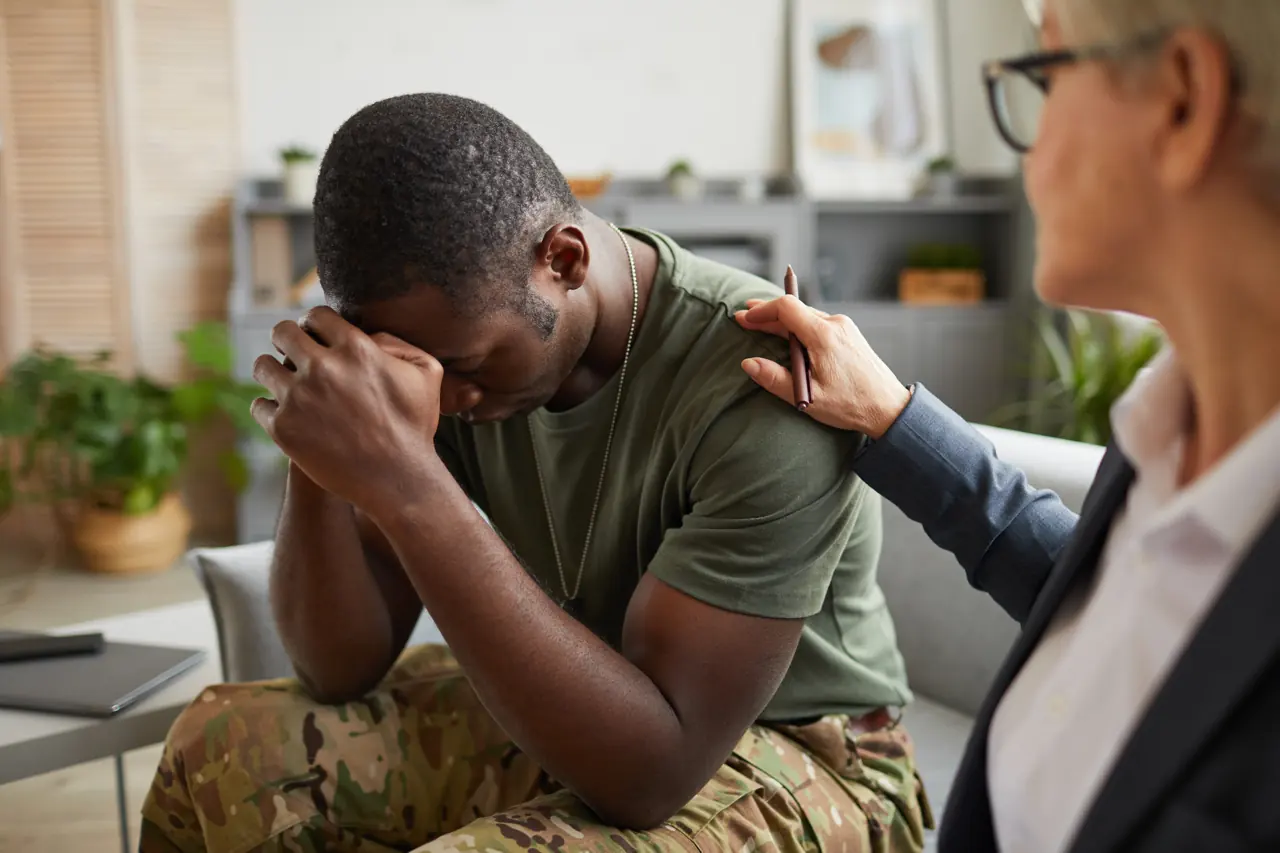
Symptom groups described by NIMH
- Re-experiencing: flashbacks, recurring memories or dreams, distressing thoughts
- Avoidance: staying away from reminders of the event or avoiding related thoughts and feelings
- Arousal and reactivity: being easily startled, feeling on guard, trouble sleeping or concentrating, irritability
- Cognition and mood: ongoing fear, anger, guilt or shame, and loss of interest in earlier activities
Not a screening tool
Everyone has some of these experiences from time to time. Only a licensed health professional can tell whether symptoms point to a condition. A list like this cannot diagnose you or anyone else.
Types and related forms
- Natural reactions: NIMH notes some symptoms after a dangerous event are natural, such as feeling detached or anxious
- Co-occurring conditions: depression, substance use and anxiety disorders often occur with PTSD
- Course: some people recover within 6 months, while others have symptoms for a year or longer
How it is treated
NIMH describes psychotherapy, medication or both as main treatments. SSRIs may help manage symptoms such as sadness, worry, anger and emotional numbness, and may be prescribed along with psychotherapy. NIMH-supported research found that a shorter therapy, written exposure therapy, may be as effective as longer first-line treatments.
When to reach out
If stress reactions after a frightening event last for weeks, keep returning or make daily life hard, talk with a licensed professional who has trauma training. If you are unsafe right now, call 988 or 911. Trauma work is best done with professional support, so we do not offer trauma processing exercises.
If you are in crisis
Call or text 988 any time. For immediate danger call 911. See our New Jersey help page.
Skills people practice alongside care
These general skills are educational. They do not treat ptsd and trauma and are not a replacement for professional care.
Questions
Does everyone who has a trauma develop PTSD?
No. NIMH notes many people have reactions after a dangerous event, and PTSD is diagnosed only when symptoms last and interfere with daily life.
Can PTSD be treated?
Yes. Psychotherapy, medication or both are used.
Who can diagnose PTSD?
A mental health professional such as a psychiatrist, psychologist or clinical social worker.
Can meditation help?
Some people find calming practices comfortable, while for others quiet focus can bring up distress. If it does, stop and speak with a professional.
Sources and further reading
Educational use only. Breeze Within shares general mental health education. It is not therapy, counseling, diagnosis, medical advice or a substitute for care from a licensed professional. If you are in crisis, call or text 988. For immediate danger, call 911.